
Approve a home textile pre-production sample by signing off the finished construction, care, labeling and pack as a single version. Tie the approval to a product and sample reference. If a material, pattern or label changes, review the affected checks before the factory uses the revised sample for bulk production.
Separate development samples from the bulk reference
A development sample is useful for testing a concept or deciding between materials. A pre-production sample should represent what both sides plan to make. Once approved, keep a physical or documented reference accessible to the supplier and the buyer’s quality team.
Record what each sample represents. If a prototype uses substituted fabric or temporary packaging, list what must be checked again. A sample marked approved for color can still need separate approval for dimensions, care or pack.
What the approver should record
- Project, SKU, sample revision, date and approved signers.
- Bill of materials and any substitution or exception.
- Finished dimensions, measurement method and tolerances.
- Color, feel and surface finish against the retained reference.
- Care label, test method and status of any required report.
- Artwork, labels, barcode, packing sequence and carton marks.
- Open issues, owner, deadline and decision to approve or request revision.
Make the checks product-specific
For a weighted blanket, check finished weight, pocket and seam construction, fill and any cover attachments. For a faux fur throw, compare both sides, the edge finish and unpacked pile, and check the care method for that backing. The buyer and supplier should agree which results are measured and which are evaluated against a retained sample.
Test the labels and packaging on the actual sample
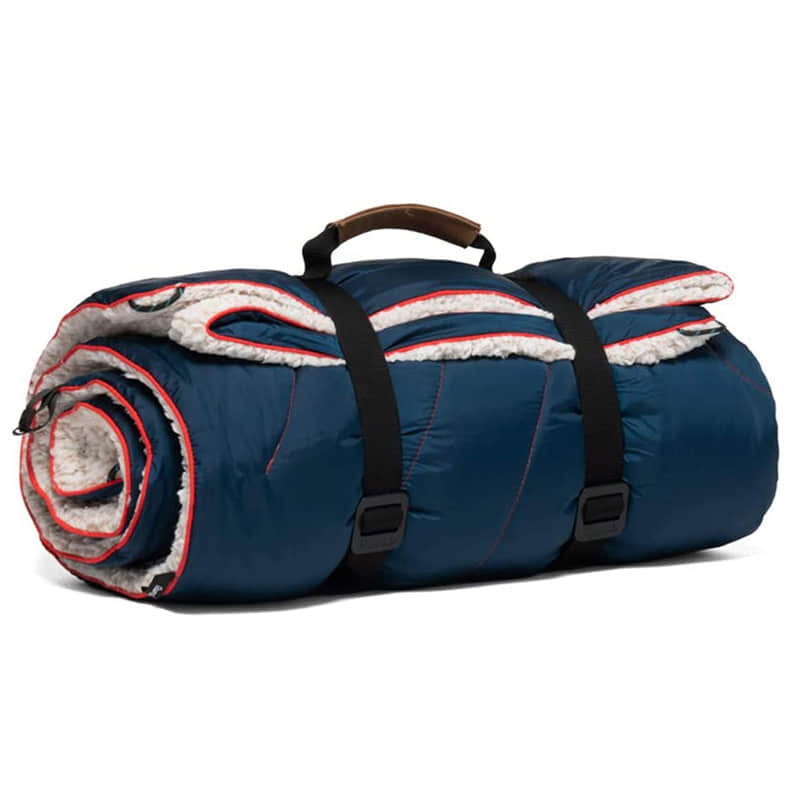
Approve the folding method, label placement and artwork version on the packed piece. Confirm that the barcode and outer carton identify the same SKU. If the product is compressed, agree how it will be opened and inspected after packing.
Agree what requires a new approval
Review changes that affect construction, appearance, care, claims or packing. Document whether you need a new sample, a swatch check or a revised label proof. Keep the old approval record so the production and inspection teams can see which version superseded it.
Release bulk production against one signed version
Before release, close each open issue or record who accepted a bounded exception. Reference the signed version in the purchase order and inspection brief. If an independent test or inspection is required, specify the product, method and acceptance criteria before committing to bulk release.
See the private-label production process and manufacturing and quality checks, then submit your sample approval brief. Include the SKU list, reference samples and decisions your team still needs to close.
Frequently asked questions
Who should approve a pre-production sample?
Confirm who can sign for construction, quality and commercial decisions. Record those responsibilities with the approved reference.
When should a sample be reapproved?
Review any change that could affect measurements, material, performance, appearance, the care label or packaging. Agree the specific checks that must be repeated.

 English
 Spanish
 Portuguese
 Russian
 German
 French
 Vietnamese
 Arabic
 Korean
 Italian
 Persian
 Thai
 Turkish
 Dutch
 Polish
 Indonesian