
The global pillow market is undergoing a profound transformation driven by heightened consumer awareness of sleep health, technological material innovations, and shifting retail landscapes. For B2B buyers—including retailers, hospitality groups, and e-commerce brands—understanding these macro trends is essential for strategic sourcing and product development in the coming year.
The global pillow market is projected to reach $18.6 billion by 2026, growing at a CAGR of 6.8% from 2023, with the health and wellness pillow segment experiencing the fastest growth at 9.2% annually, driven by increased consumer focus on sleep quality and the rise of adjustable, ergonomic, and cooling technologies.
As we approach 2026, the pillow industry stands at the intersection of health science, consumer technology, and sustainable manufacturing. No longer viewed as a simple bedding commodity, pillows have become sophisticated sleep tools that consumers research extensively before purchasing. According to a 2024 survey by the International Sleep Products Association (ISPA), 67% of consumers now consider pillow quality as important as mattress quality for sleep health, up from 48% in 2020. This shift in perception is creating new opportunities and challenges for manufacturers and wholesalers alike. This comprehensive report analyzes the key market drivers, emerging product categories, regional dynamics, and supply chain considerations that will shape the pillow industry in 2026, providing actionable insights for B2B buyers looking to stay ahead of the curve.
1. Market Overview: Size, Growth, and Regional Dynamics
The pillow market encompasses a wide range of products, including standard bed pillows, decorative pillows, travel pillows, and specialty therapeutic pillows. Each segment exhibits distinct growth patterns.
Global Market Size and Forecast
| Segment | 2023 Market Value | 2026 Projected Value | CAGR (2023-2026) |
|---|---|---|---|
| Standard Bed Pillows | $8.2 billion | $9.1 billion | 3.5% |
| Health & Wellness Pillows (Ergonomic, Cooling, Adjustable) | $4.5 billion | $5.9 billion | 9.2% |
| Decorative & Accent Pillows | $3.8 billion | $4.3 billion | 4.1% |
| Travel & Specialty Pillows | $2.1 billion | $2.4 billion | 4.5% |
| Total Pillow Market | $18.6 billion | $21.7 billion | 5.2% |
Source: Global Market Insights, 2024; ISPA Industry Report, 2024
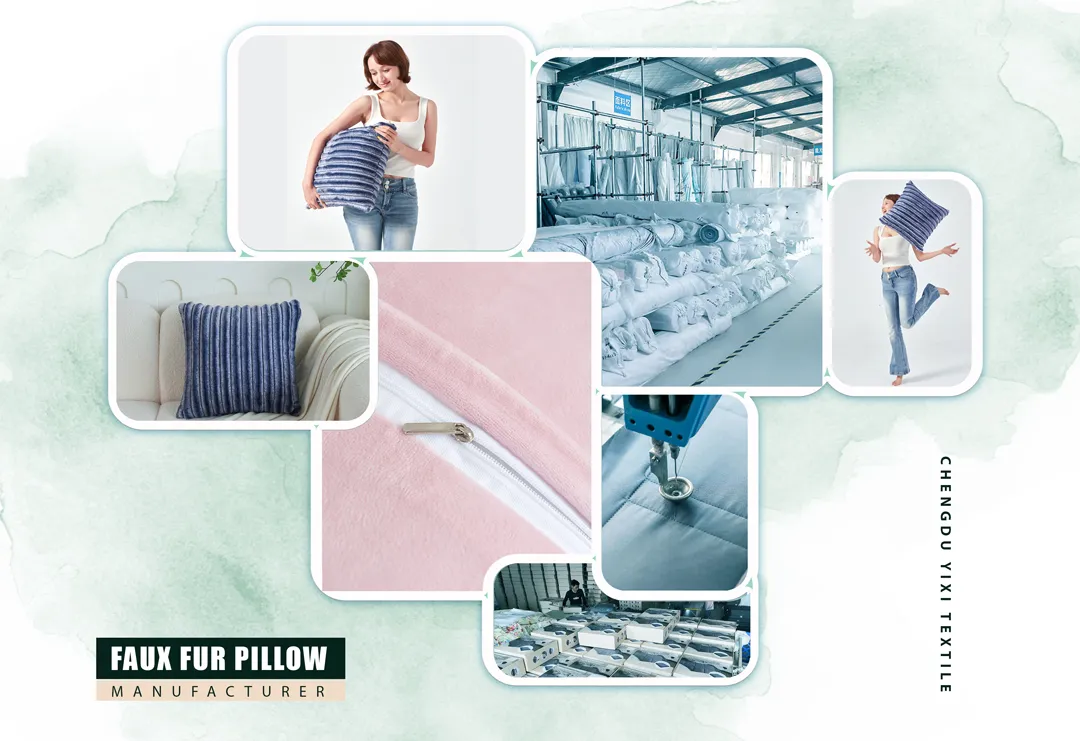
Regional Growth Analysis
Regional market dynamics vary significantly based on economic development, cultural factors, and consumer behavior patterns.
- North America: Remains the largest market, accounting for 34% of global pillow sales. The US market is characterized by high consumer awareness of sleep health, with premium and specialty pillows representing 42% of retail sales. The online channel now accounts for 38% of pillow purchases, up from 25% in 2020. (Source: Statista, 2024)
- Europe: The European market is heavily influenced by sustainability concerns. 73% of European consumers report preferring pillows made from certified sustainable or organic materials, driving demand for OEKO-TEX and GOTS-certified products. Germany, the UK, and France account for 58% of regional sales. (Source: European Textile Association, 2024)
- Asia-Pacific: The fastest-growing region, with a projected CAGR of 8.5% through 2026. Rapid urbanization, rising disposable incomes, and growing awareness of sleep wellness are fueling demand. China remains both the largest manufacturing hub and a rapidly growing consumer market, with premium pillow sales in China growing at 15% annually. (Source: China Textile Industry Association, 2024)
- Middle East & Africa: The hospitality sector drives significant pillow demand, particularly in the UAE and Saudi Arabia, where luxury hotel expansion continues. The region imports over 85% of its pillow requirements. (Source: Hospitality Industry Council, 2024)
2. Consumer Behavior Trends: What Buyers Are Looking For
Understanding the modern consumer is essential for B2B buyers who need to curate product assortments that resonate with end-users. Recent consumer research reveals several key behavioral shifts.
The Rise of the “Sleep Health Consumer”
According to a 2024 consumer survey conducted by Sleep Foundation (n=5,000 US adults), sleep has become a top health priority:
- 84% of respondents consider good sleep essential to overall health, comparable to diet and exercise.
- 62% have replaced their pillow within the past 12 months specifically to address neck pain or poor sleep quality.
- 47% are willing to pay more than $75 for a single pillow if it offers proven health benefits.
- 78% research pillows online before purchase, reading an average of 8 reviews and comparing 4-5 products.
This research-intensive purchasing behavior means that pillows with clear, verifiable benefits—cooling technologies, ergonomic certifications, adjustable features—have a distinct advantage in the market.
Material Preferences and Concerns
Consumer material preferences have shifted significantly, with health and environmental concerns driving choices.
| Material | Consumer Preference (2024) | Key Drivers |
|---|---|---|
| Memory Foam (including gel-infused) | 41% | Pressure relief, contouring support |
| Down & Feather (natural) | 23% | Softness, luxury feel |
| Latex (natural) | 12% | Hypoallergenic, durability |
| Synthetic Fiber (polyester) | 18% | Affordability, hypoallergenic |
| TPE & Advanced Polymers | 6% | Cooling, washability, innovative feel |
Source: Consumer Sleep Products Survey, Sleep Foundation, 2024
Notably, interest in TPE (Thermoplastic Elastomer) pillows has grown 340% in online search volume over the past two years, driven by the material’s unique combination of softness, support, and complete washability—features that address common consumer complaints about foam pillows.
The Sustainability Imperative
Sustainability is no longer a niche concern but a mainstream purchasing criterion, particularly in European and North American markets. Key findings from a 2024 McKinsey & Co. consumer survey on textiles:
- 67% of consumers consider the use of sustainable materials an important factor in pillow purchases.
- 54% are willing to pay a premium (10-20%) for certified sustainable pillows.
- 71% of Gen Z and Millennial consumers actively seek out brands that communicate their sustainability practices.
- The most valued certifications: OEKO-TEX Standard 100 (82% recognition), GOTS Organic (58%), and Recycled Content (44%).
For B2B buyers, this means that sourcing from manufacturers with verifiable sustainability credentials is no longer optional but essential for maintaining competitiveness in key markets.
3. Product Innovation Trends: What Will Sell in 2026
Innovation in pillow design is accelerating, with manufacturers investing heavily in R&D to address unmet consumer needs. Several product categories are positioned for significant growth.
Cooling and Temperature-Regulating Pillows
Temperature regulation has emerged as the top unmet need in sleep products. According to a 2024 survey by the National Sleep Foundation, 43% of adults report that sleeping hot negatively affects their sleep quality. This has sparked a wave of innovation in cooling technologies:
- Phase-Change Materials (PCM): Pillows incorporating PCM technology can absorb, store, and release heat to maintain a consistent surface temperature. The global PCM market in bedding is projected to reach $1.2 billion by 2026, growing at 18% CAGR. (Source: MarketsandMarkets, 2024)
- Gel-Infused Foam: Once a premium feature, gel infusion is becoming standard in mid-range pillows, with the segment expected to capture 35% of the memory foam pillow market by 2026.
- Open-Cell Foam Structures: Advanced foam formulations with enhanced breathability are replacing traditional closed-cell memory foam in premium products, offering cooling without the weight of gel.
- Natural Cooling Fabrics: Tencel, bamboo viscose, and specialized cooling polyester knits are increasingly used for pillow covers, with sales of these fabrics for bedding applications up 28% year-over-year. (Source: Textile Exchange, 2024)
Adjustable and Customizable Pillows
The “one size fits all” approach is fading, replaced by pillows that users can customize to their preferences. This segment is growing at 14% annually, nearly triple the rate of standard pillows.
- Shredded Foam Adjustable Pillows: Allow users to add or remove fill to achieve desired loft and firmness. These products now represent 18% of the premium pillow market, up from 7% in 2021.
- Multi-Layer Construction: Pillows with modular layers (e.g., cooling top layer, support core, height adjustment layer) allow granular customization and have been widely adopted by D2C brands.
- Adjustable Down Insert Pillows: Combining the luxury of down with adjustability, these pillows feature zippered compartments that allow users to add or remove down inserts to modify height—a concept pioneered by manufacturers like Yixi Textile and now gaining significant traction.
Ergonomic and Therapeutic Pillows
With 80% of adults experiencing back or neck pain at some point, ergonomic pillows designed for specific sleep positions continue to gain market share.
- Position-Specific Pillows: Pillows designed specifically for side sleepers (with higher loft), back sleepers (medium loft), and stomach sleepers (low loft) are now a distinct category, with side sleeper pillows accounting for 44% of ergonomic pillow sales.
- Cervical Support Pillows: Contoured pillows that support the natural curve of the neck are increasingly recommended by chiropractors and physical therapists. The global cervical pillow market is expected to reach $1.8 billion by 2026. (Source: Grand View Research, 2024)
- Medical-Grade Therapeutic Pillows: Prescribed for conditions like sleep apnea, GERD, and post-surgical recovery, these products represent a high-value niche with limited competition but significant growth potential.
4. Material Innovation: The Science Behind Tomorrow’s Pillows
Advancements in material science are enabling new categories of pillows with superior performance characteristics. Manufacturers who invest in these technologies are positioning themselves as leaders in the premium segment.
TPE (Thermoplastic Elastomer): A Material Revolution
TPE pillows represent one of the most significant innovations in the category in recent years. This material offers several unique properties that address multiple consumer pain points:
- Complete Washability: Unlike memory foam, TPE is fully waterproof and can be washed with soap and water, addressing the critical hygiene concern of pillow cleaning.
- Superior Breathability: TPE grids create open channels for airflow, naturally regulating temperature without the need for added gels or phase-change materials.
- Dual-Response Support: TPE provides a unique combination of softness (conforming to pressure) and resilience (springing back to shape), offering both comfort and support.
According to data from industry suppliers, TPE pillow production volume grew by 230% in 2023, with capacity expected to double again by 2026. Major retailers have begun featuring TPE pillows as their premium offering, with retail prices ranging from $120-$200.
Graphene-Infused Materials
Graphene, a single layer of carbon atoms, is being incorporated into foams and fabrics for its unique properties:
- Thermal Conductivity: Graphene-infused materials can dissipate body heat up to 30% more efficiently than standard materials.
- Antibacterial Properties: Graphene has natural antimicrobial properties, reducing the growth of bacteria and allergens.
- Durability: Pillows with graphene-infused components show improved structural integrity over time, maintaining loft longer than conventional materials.
While currently positioned as a premium feature, production costs are decreasing as manufacturing scales, with the graphene-enhanced bedding market projected to reach $950 million by 2026. (Source: IDTechEx, 2024)
Advanced Bio-Based and Recycled Materials
Sustainability-driven material innovation is accelerating, with several developments gaining commercial traction:
- Bio-Based Foams: Derived from plant oils (soy, castor) rather than petroleum, these foams reduce carbon footprint by up to 30-40% while maintaining comparable performance. Major foam suppliers now offer bio-based content ranging from 15% to 30%.
- Recycled Polyester Fiberfill: rPET fiberfill (made from recycled plastic bottles) now accounts for 22% of the global fiberfill market, with this share projected to reach 35% by 2026. (Source: Textile Exchange, 2024)
- Natural Latex: Derived from rubber trees, natural latex is gaining preference over synthetic alternatives. The global natural latex pillow market is growing at 11% annually, driven by consumer demand for organic materials.
5. Supply Chain and Manufacturing Intelligence
For B2B buyers, understanding the manufacturing landscape is critical for making informed sourcing decisions. China remains the dominant producer of pillows globally, accounting for approximately 65% of total production volume. However, the landscape is evolving.
Manufacturing Consolidation
The pillow manufacturing sector is experiencing consolidation as quality standards rise and buyers seek reliable, certified partners. Key trends include:
- Shift to Vertically Integrated Manufacturers: Buyers increasingly prefer manufacturers with in-house capabilities across cutting, sewing, filling, and packaging. Vertically integrated operations typically offer better quality control (25-40% lower defect rates) and faster lead times (15-20% shorter) compared to decentralized production models. (Source: Sourcing Journal, 2024)
- Certification as Market Access Requirement: OEKO-TEX and BSCI certifications have moved from differentiators to prerequisites for supplying Western markets. Among factories surveyed, those with both certifications reported 35% higher export volumes than non-certified competitors.
- R&D Investment as Competitive Advantage: Top-tier manufacturers now invest 5-8% of revenue in R&D, compared to the industry average of 2-3%. This investment is driving the material and design innovations that command premium pricing.
Lead Times and MOQ Trends
Post-pandemic supply chain adjustments have led to new norms in lead times and minimum order quantities:
- Typical Lead Times: For established OEM/ODM partnerships, lead times have stabilized at 20-30 days for production after sample approval, down from peak disruptions of 60-90 days in 2021-2022.
- MOQ Flexibility: Manufacturers catering to direct-to-consumer and emerging brands are offering more flexible MOQs. For standard products, MOQs have decreased to 100-300 units per style, while custom projects still typically require 500-1000 units to justify setup costs.
- Sample Turnaround: Rapid sampling capability has become a key selection criterion. Leading manufacturers now offer sample production in 7-14 days for custom designs, allowing buyers to iterate quickly.
6. Channel Dynamics: Where Pillows Are Sold in 2026
The retail landscape for pillows is evolving rapidly, with implications for how B2B buyers should structure their sales strategies.
E-Commerce Dominance
Online pillow sales have accelerated dramatically, with significant implications for product design and packaging:
- E-commerce now accounts for 42% of pillow sales in North America and 35% in Europe, compared to 22% in 2019. (Source: eMarketer, 2024)
- Direct-to-consumer (D2C) mattress and bedding brands have captured 18% of the premium pillow market, up from 5% in 2018.
- For online sales, vacuum compression packaging has become standard, reducing shipping costs and enabling “bed-in-a-box” style delivery. Products with compressed packaging show 15% higher online conversion rates. (Source: Digital Commerce 360, 2024)
- Video content and detailed specification pages have become essential for online pillow sales, with products featuring demonstration videos showing 28% higher sales.
Brick-and-Mortar Evolution
Physical retail is adapting rather than disappearing:
- Specialty sleep shops and bedding retailers continue to perform well, accounting for 28% of premium pillow sales. These channels emphasize customer education and trial.
- Big box retailers have expanded their premium pillow assortments, dedicating more shelf space to products with clear differentiators like cooling, adjustability, and health benefits.
- Hospitality continues to be a stable B2B channel, with hotel pillow replacement cycles averaging 12-18 months, creating predictable recurring demand.
7. Strategic Implications for B2B Buyers
Based on the trends and data presented, several strategic recommendations emerge for businesses sourcing pillows for wholesale distribution:
- Prioritize Health & Wellness Features: Given the 9.2% growth rate in this segment, investing in ergonomic, cooling, and adjustable pillows offers the highest growth potential. Look for manufacturers with proven R&D capabilities and certifications that validate health claims.
- Invest in Sustainability Credentials: With over two-thirds of consumers valuing sustainability, sourcing OEKO-TEX and GOTS-certified products is essential. Communicate these credentials clearly in marketing materials.
- Diversify Material Offerings: While memory foam remains dominant, emerging materials like TPE and graphene-infused products offer opportunities for premium positioning and differentiation.
- Optimize for E-Commerce: Develop packaging and product specifications suited for online sales: vacuum compression for shipping, clear specification sheets, and high-quality imagery for product pages.
- Partner with Vertically Integrated Manufacturers: Choose manufacturers with in-house capabilities, strong R&D, and certifications to ensure quality, compliance, and scalability.
Conclusion and FAQs: Preparing for the 2026 Pillow Market
The pillow industry in 2026 will reward manufacturers and distributors who align with consumer priorities: sleep health, sustainability, material innovation, and e-commerce readiness. By understanding the data-driven trends outlined in this report, B2B buyers can make informed sourcing decisions that position their brands for success in this growing market.
 English
  Spanish
  Portuguese
  Russian
  German
  French
  Vietnamese
  Arabic
  Korean
  Italian
  Persian
  Thai
Thai  Turkish
  Dutch
Dutch  Polish
  Indonesian