
MOQ for private-label home textiles can apply to a finished style, each color and size, a fabric batch, or a packaging component. The minimum depends on what must be prepared for the order. Before combining quantities, ask which products share the same material and production setup, and have every minimum stated in the quotation.
A first-order plan can look affordable at total-order level and become difficult once the quantity is split into colors, sizes and retail packs. For a brand launching blankets, pillows or silk accessories, the practical task is to find the configuration that can be produced and sold without creating unnecessary stock.
Find out what the minimum actually measures
“MOQ 300 pieces” is incomplete unless the quotation explains the unit of application. It might mean 300 finished pieces of one construction, 300 per color, or 300 per color and size. A separate minimum may apply to a woven label, printed box or specially prepared material.
Write the minimum beside the relevant item rather than placing one number at the top of a mixed-product quotation. When the requirement is expressed in meters or kilograms, ask how that material quantity relates to the planned finished pieces. Fabric width, cutting layout and product dimensions can change the relationship.
| Order layer | Possible basis | Question to ask |
|---|---|---|
| Finished product | Pieces per style, size or construction | Which variations are included in this minimum? |
| Fabric or yarn | Meters, kilograms or a preparation batch | Which finished products can use the same approved material? |
| Color or print | Quantity per color, design or process | Is this an existing option or a new production setup? |
| Labels and trims | Pieces per artwork, size or specification | Does a change require a separate order? |
| Packaging | Units per bag, box or printed design | What happens to packaging that exceeds the product quantity? |
These are possible quotation structures, not universal minimums or YIXI order terms. The applicable basis must be confirmed for the proposed specification.
Compare existing materials with new material preparation
An existing fabric color can avoid some preparation required for a new dye lot, provided the material is actually available in the quantity and specification needed. Ask for the material reference and availability conditions. A color shown on a card is not a reservation of stock.
A custom color introduces another approval task. The fabric must be identified, the reference agreed and the resulting shade reviewed. A supplier may need a different minimum for that route. Similar questions apply to a new print, yarn construction, backing or finish.
Do not assume that every custom print has the same minimum as a solid color. The base material, printing process, repeat, number of designs and finishing requirements can change the production arrangement. Ask the supplier to separate the finished-product minimum from any material or process minimum.
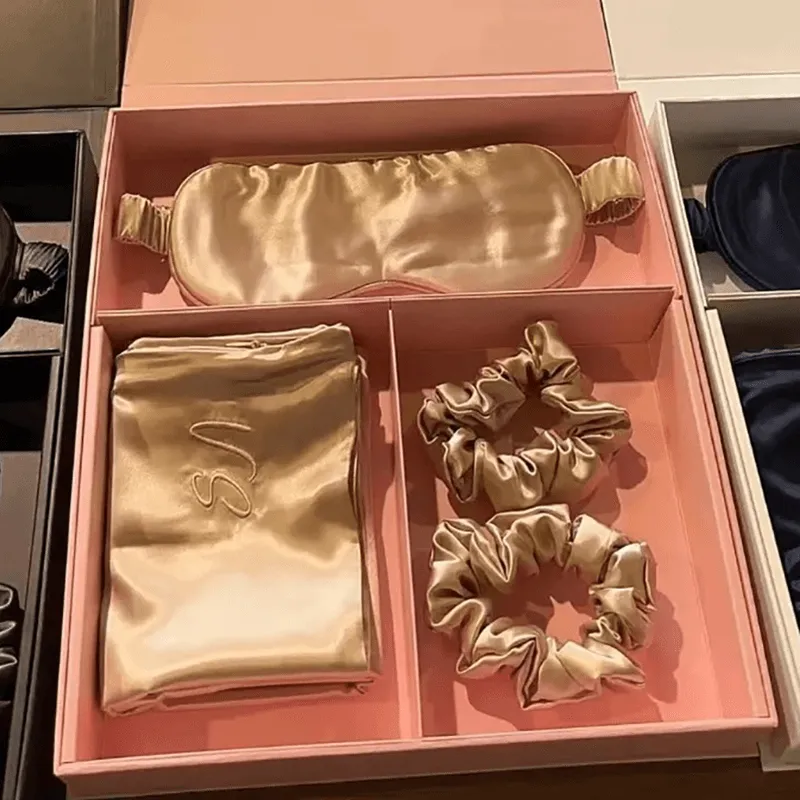
For a silk project, use the mulberry silk pillowcase range to identify the proposed article, then specify the momme, composition, size, closure and color route. “One silk collection” does not tell the supplier whether all products can share material.
Build a quantity matrix before asking for a smaller order
List every combination you expect to sell. Assign an item code and enter the first-order quantity. Include packaging differences: the same product in an individual bag and a gift set may share a textile component while requiring different packing work.
| Item | Size | Color | Retail pack | Planned pieces |
|---|---|---|---|---|
| Pillowcase A | Standard | Ivory | Individual bag | 150 |
| Pillowcase B | Queen | Ivory | Individual bag | 150 |
| Pillowcase C | Standard | Navy | Individual bag | 150 |
| Pillowcase D | Queen | Navy | Individual bag | 150 |
| Total planned pieces | 600 | |||
This plan contains 600 pieces, 300 in each color and 150 in each color-size combination. If an illustrative quotation required 400 pieces per color, the plan would not meet that requirement even though its total exceeds 400. If the minimum instead applied to the whole style, the result could be different. The words following the number determine the decision.
Ask suppliers to respond to the matrix itself. A reply that states which lines are feasible, which require a change and which carry additional costs is more useful than a general promise of “flexible MOQ.”
Check whether different products can share preparation
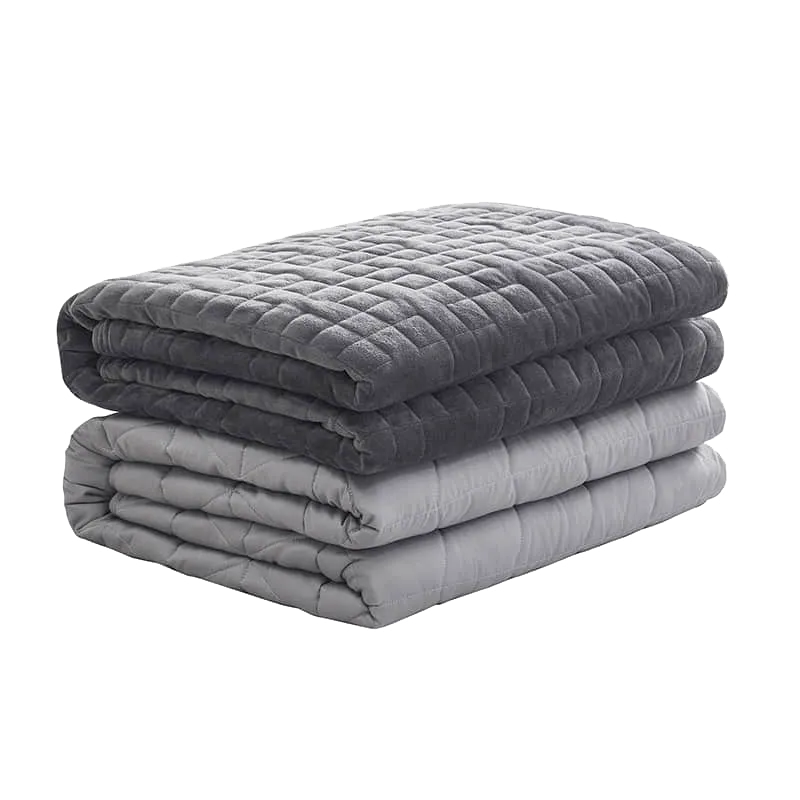
A pillowcase and sleep mask might be proposed in a coordinated color, but matching appearance does not establish shared production. They could require different fabric weights, linings, cutting routes or finishing. A blanket and pillow in the same collection may use entirely different materials.
Ask which requirements are genuinely common and which remain separate. Where a supplier proposes combining material purchasing, clarify the material identity, total consumption, product allocation and responsibility for any remaining material. Do not assume unused material can be held indefinitely for a later order.
The same question applies to packaging. One printed insert may work across several products, while a fitted gift box may need different dimensions. Confirm whether quantities combine under one specification or merely appear under the same purchase order.
Reduce complexity before reducing the specification
Start with the commercial variables that do not change the product’s essential purpose. Fewer launch colors, a single size, a common label artwork or a simpler retail pack can make an initial assortment easier to review. Ask for alternatives separately so the effect of each change is visible.
Keep the material, finished dimensions, target weight, care requirements and necessary evidence under control. A smaller order achieved by substituting an unsuitable fabric is not a meaningful trial of the intended range. If an alternative changes the product, give it a different specification reference and evaluate its sample.
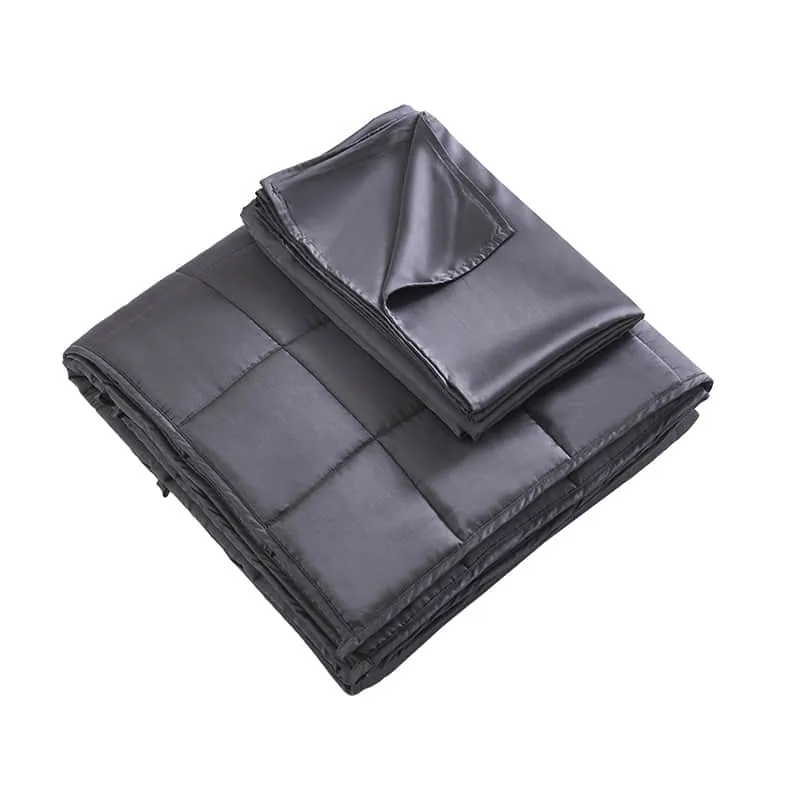
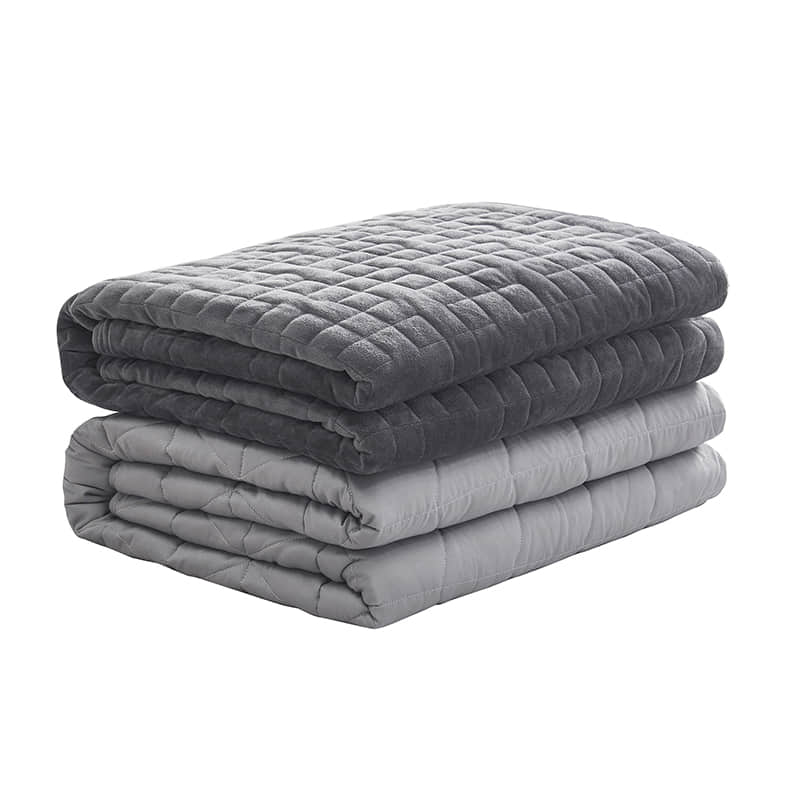
For a weighted blanket, simplifying the outer pack is a different decision from changing the insert or cover. Refer to the weighted blanket construction options and weighted blanket packaging guide when deciding which variables your launch can change.
Separate minimum quantity from development cost
A minimum order and a setup charge answer different questions. The first concerns quantity. The second concerns work or materials needed to prepare a design, label, print or pack. Paying a setup charge does not automatically remove a material minimum, and meeting a product minimum does not necessarily include every development cost.
Ask the quotation to identify sample charges, artwork or setup charges, unit prices and branded packaging separately. Where a fee is described as refundable or creditable, record the conditions. Do not budget on the assumption that a sample is free or that every charge will disappear on a reorder.
Also clarify who owns any paid tooling or artwork files, whether that asset can be reused and what happens if the specification changes. These details can matter more to a developing brand than a small reduction in the first quoted unit price.
Put the agreed basis into the quotation
Before approving an order configuration, check that the commercial document states:
- The finished item, specification revision and quantity for every color-size line.
- The minimum and its unit of application, including separate material or packaging conditions.
- The material and color route on which the quote depends.
- Sample and setup costs, with any credit conditions clearly stated.
- How material or packaging above the finished-product requirement will be handled.
- Quote validity, timing assumptions and what needs reconfirmation before a reorder.
If you change the assortment after receiving the quote, send the revised matrix back for confirmation. Reducing one color can affect the feasibility of that line even when another color increases and the grand total remains unchanged.
Frequently asked questions
Does ordering the sample mean the bulk MOQ has been accepted?
No. Sample approval and commercial quantity approval are separate decisions. Confirm the proposed bulk quantity and its conditions in the quotation before treating the sample as a feasible launch plan.
Can extra labels be used on a later reorder?
That depends on the agreed storage and reuse arrangement, the artwork version and whether the later product uses the same label. Confirm ownership, storage period and identification before paying for surplus labels.
Does a reorder always use the same minimum?
No. Material availability, product changes and packaging requirements may differ. Retain the original specification and ask for the reorder conditions against that version.
Send YIXI a first-order assortment
Review our private-label home textile service information, then send your color and size quantity matrix with the product, target market, material preference and packaging concept. State which choices are fixed and which alternatives you want considered so the order can be discussed on a clear basis.

 English
 Spanish
 Portuguese
 Russian
 German
 French
 Vietnamese
 Arabic
 Korean
 Italian
 Persian
 Thai
 Turkish
 Dutch
 Polish
 Indonesian