
Travel pillows, children’s cushions, ergonomic support pillows, and other specialty products represent a growing segment of the textile market. These products cater to specific consumer needs, offering higher perceived value and often commanding premium pricing. For B2B buyers, mastering the sourcing of these niche pillows requires an understanding of unique materials, ergonomic design principles, and manufacturing precision.
Specialty pillows—including travel neck pillows, kids’ ergonomic cushions, and lumbar supports—demand manufacturing expertise in contouring, foam molding, and the use of advanced materials like memory foam, cooling gels, and anti-microbial fabrics to deliver targeted comfort and safety for distinct user groups.
While standard bed pillows and decorative cushions form the bulk of the pillow market, specialty pillows address specific pain points and activities, creating loyal customer bases and recurring purchase opportunities. Travel pillows, for instance, have evolved from simple inflatable neck rests to sophisticated memory foam designs with adjustable features. Children’s pillows now focus on ergonomic support for growing bodies. Lumbar and office support pillows cater to the increasing number of people working from home. This guide provides a comprehensive overview of sourcing these niche products from a reliable manufacturer, covering design considerations, material innovations, and the importance of regulatory compliance for products used by sensitive demographics.
1. Travel Pillows: From Basic Neck Rests to High-Tech Comfort
The travel pillow market has exploded, driven by increased global travel and a focus on wellness. Today’s travelers expect products that are both compact and genuinely supportive.
Types of Travel Pillows
- Memory Foam Neck Pillows: The most popular category. These are shaped to support the head and neck, preventing “head drop” during sleep. High-quality versions use shredded or solid memory foam and come with a soft, washable cover.
- Inflatable Travel Pillows: Lightweight and ultra-compact. Modern versions feature soft flocking or bamboo covers for comfort, and some incorporate air valves for adjustable firmness.
- Wrap-Around & Clip-On Pillows: Designed to attach to car headrests or seatbelts, offering stability. They often use soft microbead or fiber fills.
- Hybrid Designs: Combining memory foam with inflatable chambers or incorporating hoodies and pockets for added functionality.
Key Manufacturing Considerations for Travel Pillows
Travel pillows must balance portability with support. Key factors include:
- Compressibility: Memory foam travel pillows often come with a travel pouch that allows compression for packing. The foam must be able to return to its original shape quickly after unpacking.
- Cover Removability: Frequent travelers need easy-to-clean covers. Zippered, machine-washable covers in breathable fabrics (like bamboo or moisture-wicking polyester) are standard for premium products.
- Ergonomic Shape: The design must consider different body sizes. Some manufacturers offer adjustable-height options or contoured shapes that support the chin and prevent lateral head movement.
- Carrying Solutions: Many travel pillows include a built-in carabiner, handle, or stuff sack for attachment to luggage.
2. Children’s Pillows: Safety, Ergonomics, and Playful Design
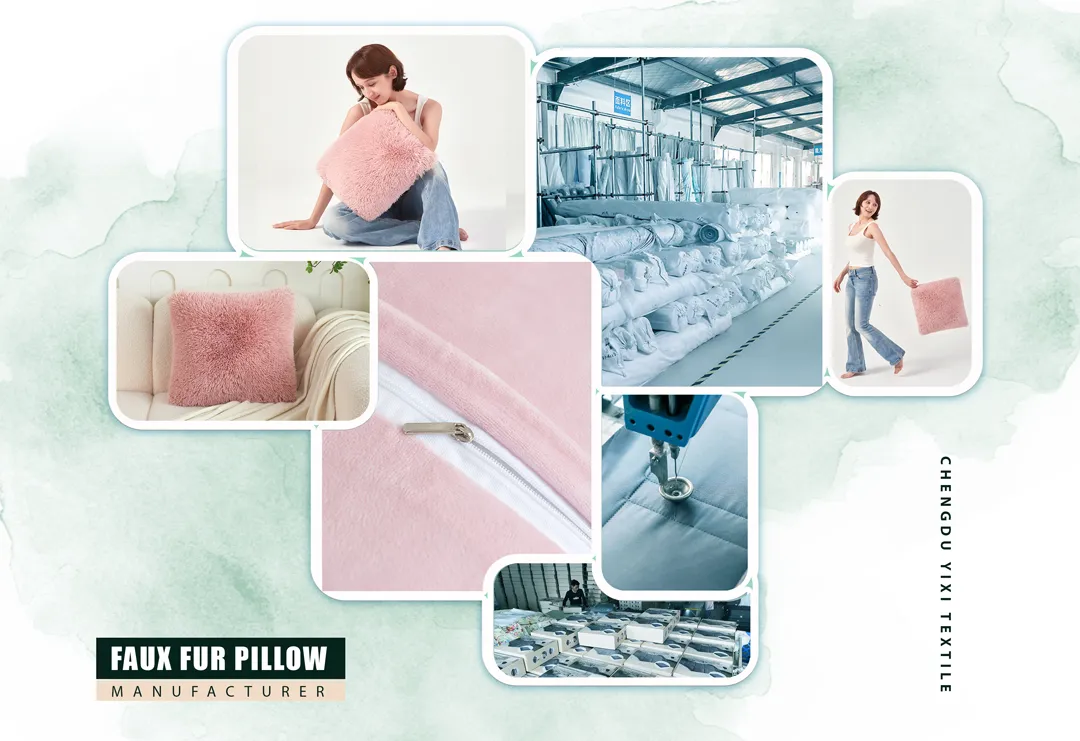
Pillows for children require a heightened focus on safety, materials, and age-appropriate design. This category includes crib pillows, toddler pillows, ergonomic pillows for older children, and novelty pillows for play and decor.
Age-Specific Requirements
| Age Group | Product Focus | Key Safety & Design Factors |
|---|---|---|
| Infant (0-12 months) | Not recommended for sleep; decorative pillows only. | No pillows in crib for safe sleep; if decorative, must be removable and made from non-toxic materials. |
| Toddler (1-3 years) | Small, flat pillows (13×18). | Low profile, breathable fabrics, OEKO-TEX certified, no small detachable parts. |
| Children (3-12 years) | Standard size with adjustable loft; novelty shapes. | Ergonomic support for growing spines; fun designs, cartoon characters, glow-in-the-dark features. |
| Teens | Adult-sized pillows with style focus. | Same as adult pillows but often with trendier patterns and materials like faux fur or printed covers. |
Material and Safety Standards
Sourcing children’s pillows requires strict adherence to safety norms.
- Certifications: OEKO-TEX Standard 100 (Class I for infants and toddlers) is mandatory for most Western markets. BSCI ensures ethical production.
- Non-Toxic Materials: All fabrics, fills, and dyes must be free of harmful chemicals. Manufacturers should provide test reports.
- Anti-Allergy Treatments: Hypoallergenic fills and anti-microbial fabric finishes are highly desirable for children’s products.
- Durability: Children’s pillows must withstand frequent washing and rough handling. Reinforced seams and high-quality zippers are essential.
Novelty and Fun Pillows
Playful designs—animal shapes, character pillows, and funny pillows wholesale—are a significant category for kids’ rooms. These often require specialized cutting and sewing techniques to achieve three-dimensional shapes. A manufacturer experienced in plush toys or novelty pillows can create unique, eye-catching products that appeal to both children and parents.
3. Ergonomic Support Pillows: Lumbar, Office, and Therapeutic
With the rise of remote work and increased awareness of musculoskeletal health, ergonomic support pillows have become a staple. These include lumbar rolls, seat cushions, and wedge pillows used for both comfort and rehabilitation.
Common Types
- Lumbar Support Pillows: Designed for office chairs and car seats to maintain proper spinal alignment. Often made from memory foam with a contoured shape and adjustable straps.
- Seat Cushions: Coccyx cushions (donut-shaped) for tailbone relief, and gel-infused memory foam cushions for general seating comfort.
- Wedge Pillows: Used for elevating the legs, supporting the back during reading, or aiding in post-surgery recovery. Typically made from high-density foam with a washable cover.
- Knee Pillows: Small, contoured pillows placed between the knees when sleeping to align the hips and reduce back pain.
Manufacturing Considerations for Ergonomic Pillows
These products often involve foam molding and require precise density specifications.
- Foam Density: Higher density (3-5 lb/ft³) provides firmer support and longer life. Manufacturers should offer a range of densities to suit different applications.
- Cooling Technologies: Gel-infused foam, open-cell structure, or breathable covers are crucial for products used for extended periods, as heat retention is a common complaint.
- Removable, Washable Covers: For hygiene, covers should be easy to remove and machine-washable.
- Non-Slip Bases: Many seat cushions and lumbar supports incorporate non-slip fabric (like silicone-dotted mesh) to prevent movement.
4. Customization and OEM/ODM for Specialty Pillows
Specialty pillows often require a high degree of customization to meet specific market needs. A manufacturer with strong OEM/ODM capabilities can help you develop unique products that stand out.
Custom Foam Molding
For ergonomic and travel pillows, creating a custom foam shape is a core service. The process involves:
- 3D Design and Modeling: Collaborating with the manufacturer’s engineers to create a digital model of the desired shape.
- Prototype Development: Producing a sample foam pillow for testing comfort and support.
- Mold Creation: Once the prototype is approved, a metal mold is made for mass production. This is a significant investment but enables consistent, high-volume manufacturing.
Custom Fabric and Branding
Even for specialty pillows, branding matters. Options include:
- Custom Printed Covers: For travel pillows, printed patterns or logo designs can differentiate your product.
- Embroidered Logos: Adds a premium touch, especially for children’s or travel pillows.
- Custom Packaging: Travel pillows often sell well with a branded carry pouch or box. Retail-ready packaging is a key value-add.
5. Sourcing Strategy: Selecting a Manufacturer for Niche Pillows
When sourcing specialty pillows, you need a partner with specific expertise. Here is what to look for:
- Experience with Foam and Molding: If your product involves memory foam or custom shapes, ensure the manufacturer has in-house foam production or a dedicated molding workshop.
- Certifications for Sensitive Products: For children’s pillows, ask specifically for OEKO-TEX Class I certification and any relevant safety tests (e.g., flammability).
- Ability to Handle Mixed SKUs: Specialty pillow lines often include many different shapes and sizes. A manufacturer should be able to manage a complex SKU mix efficiently.
- Low MOQ Flexibility: For niche markets, you may want to start with smaller quantities. Look for suppliers who can accommodate MOQs as low as 100-200 units per style.
Yixi Textile brings extensive experience in manufacturing pillows for diverse applications. With a dedicated R&D department that collaborates with international healthy sleep research teams, they have developed innovative products like TPE pillows and adjustable down pillows. Their capabilities extend to children’s pillows (using certified safe materials), travel pillows (with compression packaging expertise), and ergonomic supports (with foam molding technology). Backed by OEKO-TEX and BSCI certifications, Yixi ensures that every specialty pillow meets the strictest safety and quality standards, making them a reliable partner for brands entering these niche markets.
6. Logistics and Packaging for Specialty Pillows
Shipping specialty pillows often requires careful planning due to varied shapes and materials.
- Vacuum Compression: Many travel pillows and memory foam products can be compressed, drastically reducing shipping volume. Ensure the manufacturer can compress without damaging foam structure.
- Rigid Packaging: For ergonomic pillows with molded foam, compression may not be suitable. In such cases, efficient carton design is key to maximizing container space.
- Retail-Ready Packaging: Specialty pillows often benefit from high-quality packaging that explains the product’s unique benefits. Consider polybags with hang tags, display boxes, or reusable travel pouches.
Conclusion and FAQs for Specialty Pillow Sourcing
Travel pillows, children’s cushions, and ergonomic supports represent growing opportunities for B2B buyers willing to invest in thoughtful design and quality manufacturing. By partnering with a manufacturer that understands the nuances of each category—from foam formulation to safety certifications—you can build a specialty pillow line that meets specific consumer needs and commands loyalty in a competitive market.
 English
  Spanish
  Portuguese
  Russian
  German
  French
  Vietnamese
  Arabic
  Korean
  Italian
  Persian
  Thai
Thai  Turkish
  Dutch
Dutch  Polish
  Indonesian