Decorative pillows are the finishing touch that transforms a house into a home. For retailers, interior designers, and e-commerce brands, offering a curated collection of accent pillows is essential to capturing the attention of style-conscious consumers. Sourcing these products wholesale requires a keen eye for design trends, material quality, and manufacturing flexibility to create pieces that stand out in a competitive market.
Wholesale decorative pillows demand a balance of aesthetic appeal and functional durability, with manufacturers offering custom fabric options, diverse fill types, and advanced printing techniques to bring seasonal trends and unique brand visions to life while ensuring consistent quality across bulk orders.
The global home decor market continues to grow, driven by consumers’ desire to personalize their living spaces. Accent pillows, throw pillows, and decorative cushion covers are among the most accessible and frequently updated home accessories. For B2B buyers—whether you run a boutique home goods store, an online marketplace, or a large retail chain—the ability to source a diverse range of high-quality, on-trend pillows is crucial. This guide explores the intricacies of manufacturing decorative pillows, from fabric selection to finishing touches, and how to partner with a reliable textile manufacturer to build a successful wholesale program.
1. Understanding the Decorative Pillow Landscape: Categories and Trends
Decorative pillows are far from one-size-fits-all. They span a wide range of styles, materials, and functions. A successful wholesale assortment should reflect the diversity of consumer tastes and interior design trends.
Key Categories of Decorative Pillows
- Throw Pillows: Typically square (16×16, 18×18, 20×20) and used on sofas, beds, and chairs. They are the most common category and often sold as inserts or covers.
- Accent Pillows: A broader category that includes lumbar pillows, round pillows, bolster pillows, and novelty shapes. These are used to add visual interest and texture.
- Pillow Covers: Removable covers that allow consumers to update their decor seasonally without buying new inserts. They are popular for e-commerce due to lower shipping costs.
- Floor Cushions: Large, often square or round pillows used for casual seating. These are trending as homes incorporate more flexible, multifunctional spaces.
Current Design Trends
Staying ahead of trends is vital for home decor brands. In recent seasons, the following have gained prominence:
- Textural Contrast: Mixing materials like velvet, bouclé, linen, and faux fur to create tactile interest.
- Bold Patterns and Artisanal Prints: Global-inspired motifs, abstract art, and hand-painted looks are highly sought after.
- Sustainable Materials: Organic cotton, recycled polyester fills, and natural dyes appeal to eco-conscious consumers.
- Earthy and Neutral Palettes: Warm terracotta, sage green, and oatmeal shades dominate, often accented with pops of jewel tones.
- Mixing Shapes: Combining standard squares with lumbar, round, and bolster pillows for a curated, designer look.
2. Material Matters: Fabrics, Fills, and Finishing
The quality and character of a decorative pillow are defined by its materials. A reputable manufacturer will offer a broad selection of fabrics and fill options to meet diverse design briefs.
Fabric Choices for Decorative Pillows
| Fabric Type | Characteristics | Best For |
|---|---|---|
| Velvet | Luxurious sheen, soft to touch, rich color depth. Can be made from cotton or polyester. | High-end accent pillows, holiday collections, glam decor. |
| Linen & Linen-Blends | Natural texture, breathable, slightly rustic. May wrinkle easily. | Modern farmhouse, coastal, minimalist styles. |
| Bouclé | Looped, nubby texture; extremely soft and cozy. Very on-trend. | Contemporary, Scandinavian-inspired, cozy-chic collections. |
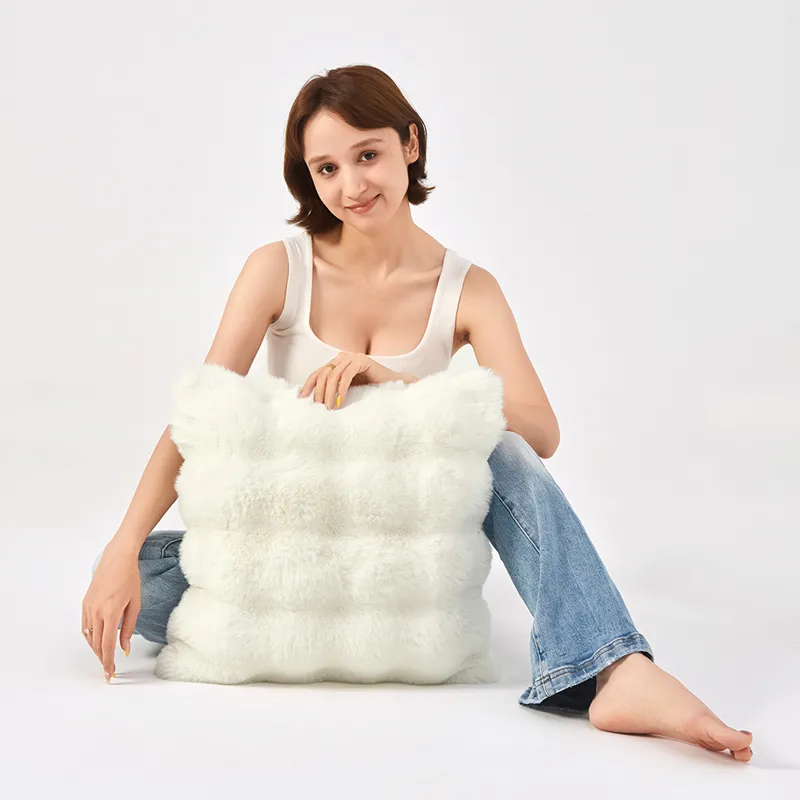
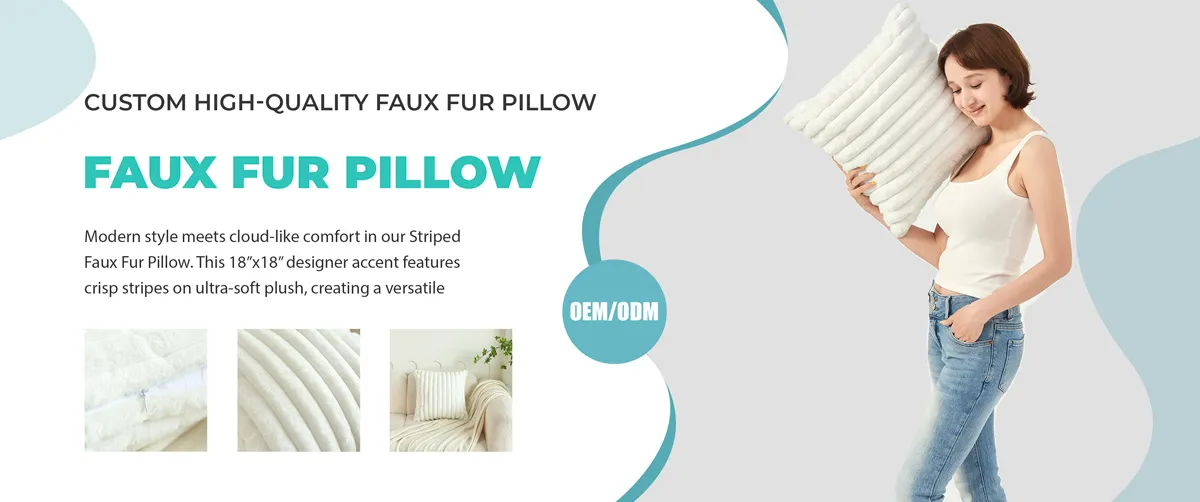
| Faux Fur & Shearling | Plush, warm, visually striking. Requires careful laundering. | Luxury winter collections, kids’ rooms, statement pieces. |
| Printed Cotton & Polyester | Versatile, affordable, allows for vibrant digital prints. | Seasonal patterns, custom designs, high-volume retail. |
Fill Materials and Construction
The fill determines the pillow’s shape retention, feel, and longevity.
- Polyester Fiberfill: The most common fill for decorative pillows. High-quality siliconized fiber offers good loft and resilience. Density (measured in GSM) can be adjusted to create a soft or firm feel.
- Down & Feather Blends: Used for high-end decorative pillows that require a luxurious, soft hand. Often combined with a down-proof inner liner.
- Foam & Memory Foam: Provides a structured, firm shape, ideal for lumbar pillows or floor cushions.
- Inner Shell Construction: For removable covers, the inner pillow (or “pillow form”) must be made with a durable, non-woven or cotton shell to prevent fill from poking through.
3. Customization Capabilities: Creating Unique Collections
In the decorative pillow market, differentiation is key. OEM/ODM services allow brands to create signature products that reflect their unique aesthetic. A capable supplier should offer extensive customization options.
Custom Printing and Pattern Development
Digital textile printing has revolutionized the decorative pillow industry, enabling short runs and intricate designs without the cost of screen printing.
- Digital Print: Ideal for custom patterns, photographic prints, and small-batch collections. Colors are vibrant, and there is no minimum yardage requirement.
- Sublimation: Best for polyester fabrics, producing vivid, durable prints that do not crack or fade.
- Embroidery & Appliqué: Adds texture and a premium feel. Embroidered logos, monograms, or decorative motifs can elevate a pillow to a luxury gift item.
Custom Shapes and Sizes
Beyond standard squares and rectangles, custom shapes can set your brand apart.
- Novelty Shapes: Hearts, stars, animals, or abstract forms—ideal for children’s decor or specialty gift markets.
- Bolsters & Cylinders: Often used in beds or as lumbar support. Require precision cutting and sewing to maintain shape.
- Large Floor Cushions: Oversized square or round cushions that serve as casual seating; demand heavy-duty fabrics and high-density foam or fiber.
Custom Trims and Details
Finishing touches can significantly enhance perceived value.
- Piping & Cord: Contrast or self-piping adds a polished, tailored look.
- Tassels, Fringe, and Pom-poms: Boho and eclectic styles often incorporate these playful elements.
- Hidden Zippers & French Seams: High-quality construction details that indicate durability and luxury.
4. The Manufacturing Process: From Fabric to Finished Pillow
Producing decorative pillows at scale requires a streamlined manufacturing process that balances creativity with consistency.
Step 1: Design and Material Sourcing
The process begins with design approval. The manufacturer sources fabrics based on specifications—this may involve ordering custom-dyed textiles or printed rolls. For fill, high-grade polyester fiber or down is prepared.
Step 2: Cutting and Sewing
Computerized cutting machines ensure precise shapes, especially for custom sizes. Skilled sewers then assemble the covers, adding zippers, piping, and any trims. Quality checks at this stage catch any stitching irregularities.
Step 3: Filling and Final Assembly
For pillows with removable covers, the inner form is filled separately using automated filling machines to ensure consistent weight and loft. The cover is then fitted onto the form. For closed pillows, the fill is inserted and the final seam is closed by hand or machine.
Step 4: Quality Control and Packaging
Each pillow is inspected for seam strength, zipper function, and overall appearance. Many manufacturers then compress pillows for efficient shipping. Retail-ready packaging—such as polybags with hang tags or branded boxes—can be applied per client instructions.
5. Sourcing Strategy: Selecting the Right Partner for Decorative Pillows
When sourcing wholesale throw pillows and accent pieces, the choice of manufacturing partner directly impacts your brand’s ability to deliver quality and innovation.
Key Capabilities to Look For
- Flexible MOQs: Decorative pillow collections often require multiple SKUs with varying quantities. A manufacturer that offers low MOQs per design (e.g., 100-200 pieces) enables you to test new styles without overcommitting inventory.
- In-House Printing or Embroidery: Suppliers with integrated digital printing or embroidery facilities can offer faster turnaround and better quality control for custom patterns.
- Sustainable Options: Increasingly, brands need partners who can provide OEKO-TEX certified fabrics, recycled fills, and eco-friendly packaging.
- Rapid Sampling: The home decor market moves quickly. A manufacturer that can produce accurate samples within days rather than weeks allows you to respond to trends.
Why Yixi Textile is a Preferred Partner for Decorative Pillow Brands
Yixi Textile combines a deep understanding of home textiles with advanced manufacturing capabilities. With a dedicated R&D team, they assist clients in developing exclusive patterns, selecting the right material blends, and achieving precise color matching. Their production facilities handle everything from fabric cutting to final packaging, ensuring consistent quality. OEKO-TEX and BSCI certifications provide the assurance required for global distribution, and flexible MOQs support both emerging brands and large retailers. Whether you need a small run of hand-embroidered cushions or a high-volume order of printed throw pillows, Yixi’s turnkey OEM/ODM service delivers efficiency and reliability.
6. Marketing and Merchandising Tips for Decorative Pillow Wholesale
For B2B buyers, understanding how your customers (retailers or end consumers) perceive decorative pillows can help you curate a more successful offering.
- Offer Mix-and-Match Sets: Create curated bundles—like a set of three pillows in varying sizes and complementary patterns—to encourage higher average order value.
- Seasonal Rotations: Plan collections around major holidays and seasons. Spring florals, summer brights, autumn plaids, and winter velvets keep the assortment fresh.
- Provide High-Quality Imagery: Retailers and e-commerce sites rely on great product photos. Ensure your manufacturer can provide samples for professional photography.
- Educate on Care: Include clear care instructions, especially for delicate fabrics or trims. This builds trust and reduces returns.
Conclusion and FAQs for Decorative Pillow Sourcing
Decorative pillows are a dynamic and profitable category for any home textile business. By partnering with a manufacturer that offers design flexibility, material expertise, and reliable quality, you can build a collection that resonates with style-conscious consumers and strengthens your brand’s position in the market.