
For importers, brand owners, and procurement managers, navigating the complex world of global textile sourcing can be daunting. Successfully importing wholesale pillows requires more than just finding a factory; it demands a strategic approach to supplier selection, quality assurance, logistics, and market trend analysis.
A successful B2B sourcing strategy for pillows hinges on identifying a textile manufacturer that excels in four critical areas: vertically integrated production for quality control, comprehensive OEM/ODM services for brand differentiation, robust certification for global market access, and scalable logistics to manage everything from small test runs to high-volume bulk orders.
The business of importing and distributing pillows is a high-volume, relationship-driven industry. Whether you are a hotel procurement officer outfitting a 500-room property, an e-commerce aggregator building a portfolio of bedding brands, or a retailer launching a private label home collection, your success is directly tied to the reliability and capability of your supply chain partners in China. This guide is designed to provide a strategic framework for sourcing, focusing on the practical steps to identify, vet, and partner with the ideal manufacturer and supplier for your specific business model.
1. Defining Your Sourcing Needs: Product Categories and Market Fit
Before you begin contacting suppliers, you must have a clear product strategy. The pillow market is vast, and different categories cater to different sales channels. Your sourcing approach will vary significantly based on your target market.
| Business Channel | Pillow Product Focus | Key Sourcing Requirements |
|---|---|---|
| E-commerce / D2C Brands | Innovative health pillows, TPE, adjustable down, “bed-in-a-box” style | Low MOQs for testing, compelling packaging, unique selling propositions (USP), easy compression packaging for shipping. |
| Hospitality (Hotels) | Hotel pillow collections, down feather pillow inserts, durable synthetic options | High-volume consistency, fire-retardant standards, commercial laundry durability, long-term supply agreements. |
| Home Decor Retail | Wholesale throw pillows, accent pillows, decorative pillows, pillow covers | Fashion-forward designs, seasonal color palettes, variety of textures (velvet, faux fur), low MOQs per SKU. |
| Wholesale Distributors | Pillow forms wholesale, pillow inserts wholesale, pillow stuffing, bulk basics | Lowest possible unit cost, consistent sizing, high-volume production capacity, efficient logistics. |
2. How to Evaluate and Vet a Textile Manufacturer in China
Selecting the right partner is the most critical business decision you will make. A factory visit is ideal, but due diligence can also be conducted through a systematic evaluation process.
Step 1: Verify Credentials and Certifications
Legitimate textile manufacturers in china will have the necessary certifications that are crucial for international trade. Do not skip this step.
- OEKO-TEX Standard 100: Ensures textiles are free from harmful levels of hazardous substances. This is non-negotiable for bedding products.
- BSCI or Sedex: Certifications for social compliance, confirming ethical labor practices in the factory.
- ISO 9001: Indicates a robust quality management system is in place.
Step 2: Assess Manufacturing Capabilities and Specialization
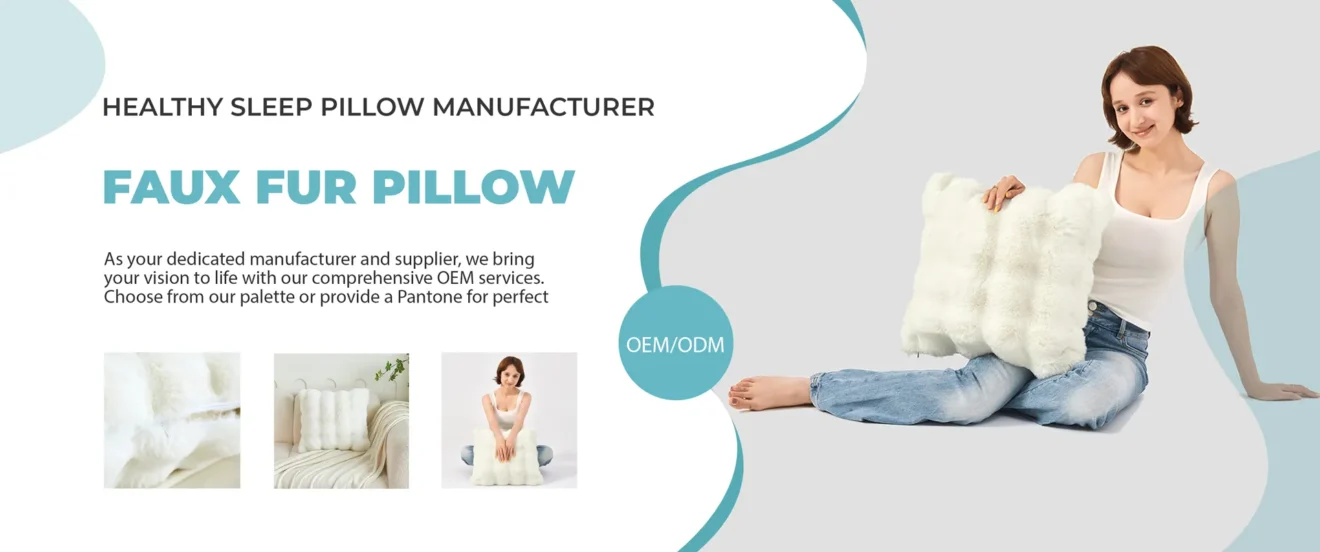 Not all factories are equal. Some specialize in bulk basics, while others excel in complex OEM/ODM work.
- Vertical Integration: Does the factory manage the entire process from sourcing raw materials (e.g., down, foam) to final packaging? Vertically integrated manufacturers generally offer better quality control and faster lead times.
- R&D and Technical Expertise: For custom projects, ask about their engineering team, mold-making capabilities, and material sourcing network. A strong R&D team is a hallmark of a capable manufacturer.
- Production Capacity: Inquire about their monthly output (e.g., 10,000 units/month) to ensure they can scale with your business growth.
Step 3: Request and Evaluate Samples
This is the most tangible part of your evaluation. A reputable supplier will provide samples, usually for a fee that is refundable on a future order.
- Assess Quality: Check the stitching, the quality of the fabric, the loft and resilience of the fill, and the overall workmanship.
- Verify Certifications on Product: Check the sewn-in labels for certification marks like OEKO-TEX.
- Communication and Responsiveness: Evaluate their communication during the sampling process. Are they proactive? Do they understand your requirements clearly?
3. Mastering the Logistics and Supply Chain for Pillow Imports
Efficient logistics are the backbone of a profitable wholesale business. Understanding the nuances of shipping pillows can save significant costs.
Compression: A Game Changer for Freight Costs
Pillows are bulky by nature. The most effective way to reduce shipping costs is through compression.
- Compression Ratio: A high-quality pillow can be compressed to a fraction of its original size, reducing shipping volume and cost by up to 80%.
- Time to Recover: Inquire about the time it takes for a compressed pillow to regain its full loft after being opened. This is a critical quality metric.
- Packaging Integrity: Ensure the compression packaging is robust enough to withstand long sea journeys without losing its vacuum seal.
Shipping and Incoterms
Choosing the right Incoterm (International Commercial Terms) can simplify your import process.
- EXW (Ex Works): You are responsible for picking up the goods from the factory, arranging all freight, and managing export clearance. This gives you maximum control but requires significant logistics expertise.
- FOB (Free on Board): The manufacturer is responsible for delivering the goods to a named port (e.g., Shanghai) and loading them onto the vessel. You are responsible for the main sea freight and import clearance.
- DDP (Delivered Duty Paid): The manufacturer takes responsibility for all logistics, including freight, insurance, and paying import duties and taxes, delivering the goods directly to your door. This is the simplest option for the buyer but usually comes at a premium.
4. Mitigating Risks in International Sourcing
Sourcing from overseas comes with inherent risks. A professional B2B partner will have processes in place to mitigate these.
- Quality Control (QC) Protocols: Ask about their in-house QC process. Do they have a dedicated QC team that performs inspections at the raw material, in-process, and pre-shipment stages? A commitment to AQL (Acceptable Quality Limit) standards is a good sign.
- Intellectual Property (IP) Protection: If you are providing proprietary designs or molds, ensure you sign a Non-Disclosure Agreement (NDA) and a non-disclosure agreement with the factory. A reputable manufacturer will take your IP seriously.
- Clear Communication: Establish a single point of contact for your account. Ensure there are no language barriers that could lead to misunderstandings about specifications, especially when dealing with customizable products.
5. Building a Long-Term Partnership with a Pillow Supplier
Once you have vetted and selected a partner, the focus shifts to building a collaborative, long-term relationship. This yields the best results in terms of pricing, priority during high-demand seasons, and collaborative innovation.
A manufacturer like Yixi Textile, with its own production base and a dedicated sales team, is structured to support such long-term partnerships. With a focus on global markets, particularly North America, Europe, and Australia, they understand the compliance and quality standards required for success. Their commitment to R&D and flexible service model allows them to grow with their clients, from initial small-batch custom pillow projects to large-scale, high-volume wholesale programs for major retailers. This stability, combined with in-house capabilities for custom logo integration and sustainable packaging, makes them an ideal partner for B2B buyers seeking not just a vendor, but a true supply chain partner.
Conclusion and Strategic FAQs
Importing wholesale pillows is a complex but highly profitable venture when approached strategically. By focusing on rigorous supplier vetting, clear product specifications, efficient logistics, and building strong partnerships, you can build a resilient and scalable supply chain that drives your business forward.
 English
  Spanish
  Portuguese
  Russian
  German
  French
  Vietnamese
  Arabic
  Korean
  Italian
  Persian
  Thai
Thai  Turkish
  Dutch
Dutch  Polish
  Indonesian