
For studios, wellness brands, and retailers, yoga pillows are more than just props—they are essential tools that enhance practice, provide comfort, and reflect a brand’s commitment to quality. Sourcing the right yoga pillow requires a deep understanding of materials, ergonomics, and the manufacturing processes that ensure durability and safety for end users.
Sourcing yoga pillows wholesale from a specialized manufacturer means prioritizing supportive, high-density foam or buckwheat fills, durable and easy-to-clean covers, and offering customizable options like organic cotton fabrics, embroidered logos, and eco-friendly packaging to align with the values of the wellness community.
The global yoga and wellness market has seen exponential growth, with practitioners seeking props that support their physical and mental practice. For B2B buyers—whether you run a yoga studio chain, a wellness e-commerce brand, or a retail store specializing in fitness accessories—the yoga pillow category offers significant opportunity. Unlike standard bed pillows, yoga pillows are designed for floor-based support, often used for restorative poses, prenatal comfort, and meditation. This specialized function demands a manufacturing partner who understands ergonomics, material science, and the aesthetic preferences of the wellness demographic. In this guide, we will explore the key aspects of manufacturing and sourcing high-quality yoga pillows for wholesale, with a focus on customization, material choices, and how to select a reliable textile manufacturer in China.
1. Understanding the Yoga Pillow: Types and Key Features
Yoga pillows, also known as bolsters or support cushions, come in various shapes and densities to serve different purposes. A successful wholesale program will offer a curated selection that meets the diverse needs of yoga practitioners.
Common Yoga Pillow Shapes and Their Uses
- Rectangular Bolsters: The most common shape, used for backbends, seated support, and restorative poses. Typically firm and supportive.
- Round Bolsters: Cylindrical shape ideal for supporting the spine, neck, or knees. Often used in yin yoga and prenatal classes.
- Crescent or Kidney-Shaped Pillows: Designed for comfort under the knees or to support the neck and head in supine poses.
- Zafu (Meditation Cushion): Round, firm cushions that elevate the hips for seated meditation, often paired with a rectangular zabuton mat.
Key Features of a High-Quality Yoga Pillow
When sourcing wholesale yoga pillows, the following features are critical for both studio and retail buyers:
- Supportive Fill: Most premium yoga pillows use high-density foam (often made from memory foam or polyurethane) or traditional buckwheat hulls. The fill must maintain its shape after repeated use and provide firm, consistent support.
- Durable, Breathable Cover: Cotton, organic cotton, and bamboo blends are preferred for their softness and breathability. The cover should be removable and washable to maintain hygiene in studio environments.
- Secure Zipper and Seams: Given the heavy use in studios, reinforced seams and high-quality zippers are non-negotiable to prevent fill leakage and ensure longevity.
- Eco-Friendly Materials: The wellness market strongly favors sustainability. Offering pillows made from certified organic cotton covers and recycled or natural fills can be a major selling point.
 2. The Manufacturing Process: How Professional Yoga Pillows Are Made
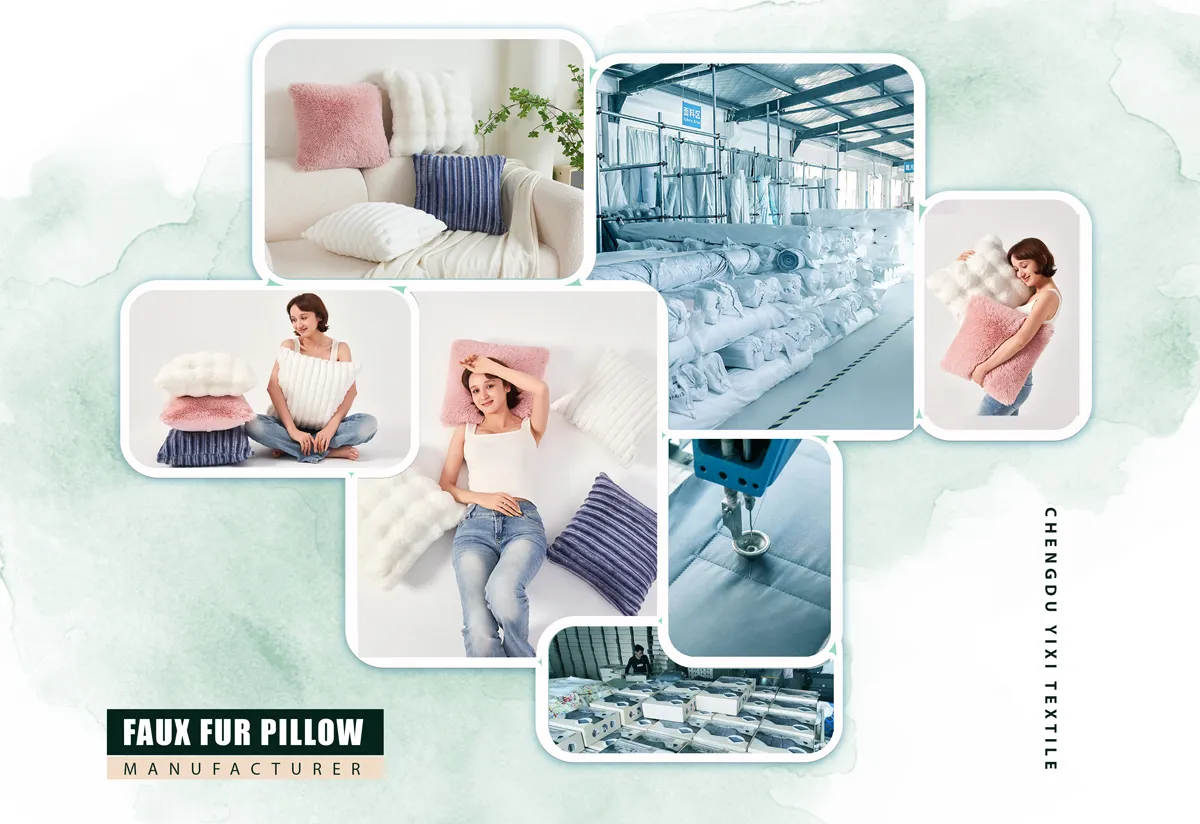 2. The Manufacturing Process: How Professional Yoga Pillows Are Made
Creating a premium yoga pillow involves more than simply stuffing a cover. A reliable manufacturer employs specific techniques to ensure consistency, support, and durability.
Step 1: Material Selection and Sourcing
The foundation is the fill material. A specialized textile manufacturer in China will have access to high-density foam suppliers or organic buckwheat sources. For foam pillows, the foam is cut or molded to precise dimensions to ensure a uniform shape. For buckwheat pillows, the hulls are cleaned, heat-treated for sanitation, and filled to a specific weight for consistent firmness.
Step 2: Cover Production
The outer cover is typically made from high-quality cotton or blends. Manufacturers with in-house cutting and sewing facilities can produce covers with precise stitching, hidden zippers, and reinforced handles for easy carrying. Customizable options like fabric color, texture, and pre-washed treatments are offered to align with brand aesthetics.
Step 3: Filling and Assembly
For foam bolsters, the foam core is inserted into the cover, often with a protective inner liner to prevent dust. For buckwheat pillows, the fill is carefully measured and poured into a separate inner bag before being placed into the outer cover. This double-layer construction prevents hulls from poking through and makes cleaning easier for the end user.
Step 4: Quality Control and Packaging
Each pillow undergoes a final inspection to check seam strength, zipper functionality, and fill consistency. For wholesale orders, pillows may be compressed for efficient shipping, especially if they contain foam. Compression packaging must be designed to allow the pillow to quickly regain its shape upon opening, a critical factor for customer satisfaction.
3. Customization Options for Yoga Pillow Brands
For B2B buyers looking to build a distinctive brand, customization is key. A capable supplier with OEM/ODM expertise can transform a standard yoga pillow into a unique product that reflects your brand identity.
| Customization Element | Options & Benefits |
|---|---|
| Custom Fabric & Color | Choose from organic cotton, recycled polyester, or performance fabrics in Pantone-matched colors. Ideal for seasonal collections or brand-aligned aesthetics. |
| Logo Embroidery / Printing | Add a professional touch with embroidered logos on the cover, or use screen printing for a more subtle effect. Great for studio merchandise or retail packaging. |
| Custom Fill Density | Adjust the firmness by specifying foam density (e.g., 2.5 lb/ft³) or buckwheat weight. This allows you to target specific user preferences, from soft restorative bolsters to firm support cushions. |
| Custom Sizing & Shape | Work with the manufacturer’s R&D team to create unique shapes or dimensions that differentiate your product in a crowded market. |
| Sustainable Packaging | Opt for recycled cardboard boxes, reusable fabric bags, or biodegradable polybags with your branding to appeal to eco-conscious consumers. |
4. Why Choose a Specialized Pillow Manufacturer for Yoga Pillows
Not all pillow factories have the expertise to produce high-quality yoga pillows. The best partners will have experience in crafting ergonomic support products and a deep understanding of the wellness market. Yixi Textile, with its dedicated R&D department and focus on healthy sleep and support textiles, is well-positioned to serve this niche. Their capabilities include:
- Expertise in High-Density Foam and Natural Fill: Access to materials that provide consistent support and durability, essential for yoga bolsters that undergo constant compression.
- Custom Mold Development: For clients wanting unique shapes, the engineering team can create custom molds for foam pillows, ensuring precision and repeatability in mass production.
- Certifications for Global Markets: OEKO-TEX Standard 100 certification ensures all materials are free from harmful substances, a critical requirement for products that come into close contact with skin during exercise. BSCI certification ensures ethical production, aligning with the values of wellness brands.
- Flexible MOQs and Turnkey Service: With MOQs starting as low as 50-200 pieces for custom projects, Yixi Textile supports both emerging brands and large retailers. Their 25-day turnkey OEM service streamlines the process from design to delivery.
5. Sourcing Strategy for Yoga Pillows: Tips for B2B Buyers
When you are sourcing wholesale yoga pillows, the goal is to balance quality, cost, and brand alignment. Here is a strategic approach:
- Request Material Samples: Before committing to a full order, ask for swatches of the cover fabric and a sample of the fill. This allows you to test the feel and support level.
- Evaluate Seam and Zipper Quality: For yoga pillows, durability is paramount. Inspect the stitching and zipper construction in the sample. Reinforced stress points are a sign of quality manufacturing.
- Discuss Compression and Shipping: If you plan to ship large volumes, ask about vacuum compression capabilities. Ensure the packaging is robust enough to protect the product during transit and that the pillow will fully recover its shape within a reasonable time after unpacking.
- Verify Sustainability Claims: If you market your product as eco-friendly, ask for documentation on the source of organic cotton or recycled materials. A reputable manufacturer will provide certificates or supplier records.
Conclusion and FAQs for Yoga Pillow Sourcing
The yoga pillow market offers significant opportunities for brands that prioritize quality, comfort, and sustainability. By partnering with an experienced manufacturer that offers deep customization and understands the unique demands of the wellness industry, you can create products that resonate with studios and consumers alike, building a loyal customer base and a strong brand reputation.
 English
  Spanish
  Portuguese
  Russian
  German
  French
  Vietnamese
  Arabic
  Korean
  Italian
  Persian
  Thai
Thai  Turkish
  Dutch
Dutch  Polish
  Indonesian