
For a Manufacturer or Wholesale Supplier, this search intent is valuable because buyers are no longer asking only for low price. They want fewer returns, better reviews, safer product claims, and a product line that can be explained clearly to end users. A blanket that feels impressive in a showroom may still fail if the end user wakes with soreness or cannot turn comfortably.
Start with the user, not the weight label
Weight labels can be misleading. A 15 lb blanket may feel gentle to one user and oppressive to another. The experience depends on body size, blanket size, fill structure, fabric stiffness, temperature, bed type, and sleep posture. Buyers should therefore plan assortment by user scenario rather than assuming one weight will fit the entire market.
Back sensitive users often benefit from lighter options, flexible drape, and precise weight distribution. They may also prefer a blanket that covers the body without hanging heavily over the sides of the mattress. Overhang can create downward drag, which makes the blanket feel heavier than its listed weight.
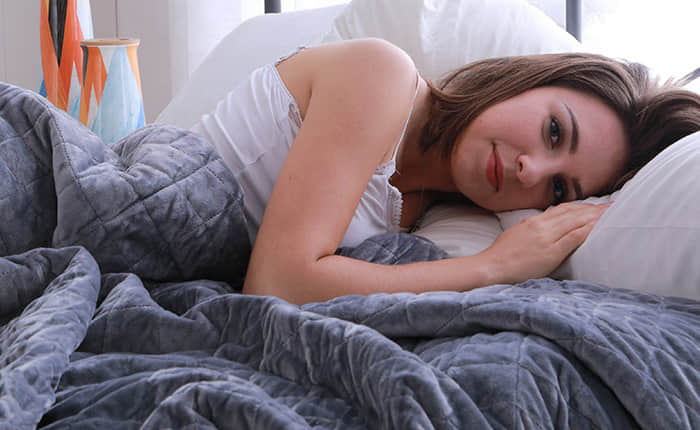
Important symptoms to mention in user guidance
Good user education can prevent a comfort product from becoming a complaint. Brands should advise users to stop or reduce use if they notice clear discomfort patterns.
- Lower back pain that appears after using the blanket
- Pain around the hips after side sleeping
- Shoulder soreness from pressure or limited turning
- Difficulty changing position during the night
- Increased morning stiffness
- Pressure sensitivity around the ribs or chest
- Feeling anxious, trapped, or unable to remove the blanket easily
A practical weight framework for B2B product planning
General consumer guidance often points to a blanket around 7 to 10 percent of body weight for adults. That guideline is useful, but it should not be treated as a rule for every person. For back sensitive users, a lighter starting point may be more appropriate. Brands should present the range as a comfort guide, not a medical prescription.
| Product tier | Best fit | Commercial note |
|---|---|---|
| Light pressure | Beginners, pressure sensitive users, older adults | Good for broad retail and wellness gifting |
| Standard pressure | Experienced users who want full body grounding | Common core SKU for Wholesale programs |
| High pressure | Users who already know they prefer strong pressure | Needs clearer caution language and careful sizing |
| Knitted weighted blanket | Hot sleepers and users who want flexible drape | Premium visual appeal and breathability |
| Lap or shoulder weighted product | Users who dislike full body coverage | Useful extension for sensory and relaxation lines |
Why construction matters more than many buyers expect
Two blankets with the same listed weight can feel completely different. A small pocket glass bead blanket gives a different pressure profile from a chunky knitted blanket. A microfiber cover feels different from cotton, bamboo viscose, cooling nylon, or plush faux fur. The inner structure determines whether pressure feels broad and calm or narrow and irritating.
For bead filled products, pocket size and stitching are critical. Smaller pockets usually help control bead migration, but they also require consistent sewing quality. For knitted weighted blankets, the weight comes from the yarn itself, which can reduce bead movement concerns and improve airflow. However, knitted products need careful control of yarn density, stretch, recovery, and edge shape.
Back sensitive sleepers and night movement
Movement during sleep is normal. A product that prevents movement may feel calming for some users and frustrating for others. If a user needs to rotate because of back stiffness, hip pressure, or shoulder discomfort, a heavy blanket can increase the effort required to move. This is one reason some customers report feeling tired or sore after sleeping under a blanket that is technically within the usual weight range.
B2B buyers should test samples with real movement. Lie under the blanket, turn from back to side, bend the knees, and remove the blanket quickly. If these actions feel difficult for an average adult, the product may not be suitable for a broad consumer audience.
Material selection for comfort and return reduction
Heat can amplify discomfort. A user who becomes too warm may move more often, tense muscles, or sleep in awkward positions. Breathable fabrics and seasonal product planning matter. Cotton is familiar and breathable. Bamboo blends can support a cool hand feel. Minky and faux fur are soft and cozy for cold markets but may be too warm for some users. Removable covers can make cleaning easier and allow seasonal updates.
YIXI can support OEM/ODM buyers with Customizable fabric, color, weight, size, logo, and packaging choices. For back sensitive product lines, the most useful customization is not only visual branding. It is the ability to create a balanced weight range, choose breathable materials, and build consumer instructions that reduce misuse.
Medical caution without weakening the sales message
Some brands avoid caution language because they fear it will reduce conversion. In mature export markets, the opposite is often true. Clear caution language makes the brand look responsible. It also helps avoid medical overclaiming. Weighted blankets may support relaxation and sleep routines, but they should not be positioned as a cure for back pain, anxiety, insomnia, autism, ADHD, or any medical condition.
A responsible product page can say that weighted blankets are designed to provide gentle, even pressure for comfort and relaxation. It can also say that users with chronic pain, spine disorders, respiratory conditions, circulation concerns, pregnancy concerns, or difficulty removing the blanket should consult a healthcare professional before use.
Checklist for buyers before placing a bulk order
- Confirm actual blanket weight and tolerance across samples
- Check whether fill shifts after folding, shaking, and handling
- Test turning and removal under the blanket
- Review fabric breathability for the target climate
- Confirm care label and wash testing expectations
- Prepare size and weight guidance for end users
- Use conservative health claims and clear caution language
- Request packaging customization for Wholesale channels
How to merchandise back sensitive weighted blankets
Merchandising should make the buyer journey easier. Instead of presenting every weight as equal, a brand can group products by comfort profile. Light pressure can be described for beginners and pressure sensitive users. Standard pressure can serve the mainstream market. Premium breathable or knitted styles can be positioned for users who want airflow and softer movement. This structure helps shoppers self select without needing medical language.
For B2B buyers, this approach also improves catalog planning. A retailer can build good, better, and best tiers. A hotel buyer can choose lighter throws for guest comfort. A wellness brand can pair a blanket with a weighted pillow or lap pad. An importer can request different packaging copy for each tier while using coordinated colors and materials across the range.
Questions to ask during sample approval
Sample approval should include real use questions. Can an average adult remove the blanket quickly. Does the blanket slide off the bed. Does weight collect near the feet after ten minutes. Is the cover too warm for the target market. Does the user feel chest pressure when lying on the back. Does the edge pull down when the blanket is used on a sofa. These checks sound simple, but they reveal whether the product will feel comfortable outside a factory showroom.
A serious Supplier should welcome these questions because they lead to clearer specifications and fewer disputes. When buyer and factory define the target user together, the final weighted blanket becomes easier to sell and easier to defend in reviews.
FAQ
Should back sensitive users avoid weighted blankets completely?
Not always. Many users tolerate them well, but back sensitive users should start lighter, monitor discomfort, and consult a healthcare provider if they have a known condition.
Is a knitted weighted blanket better for back sensitive users?
It can be better for some users because it is breathable and flexible, but weight, size, and personal sensitivity still matter.
Why do some users feel pain only after several nights?
Repeated restricted movement or sustained pressure can build discomfort over time, especially around the lower back, hips, or shoulders.
What customization matters most for a B2B buyer?
Weight range, size, fabric, fill stability, packaging, and instruction design matter more than decoration alone.
Can weighted blankets be sold as back pain treatment?
No. They should be marketed as comfort and relaxation products unless the seller has appropriate regulatory clearance and medical evidence for a specific claim.
 English
  Spanish
  Portuguese
  Russian
  German
  French
  Vietnamese
  Arabic
  Korean
  Italian
  Persian
  Thai
Thai  Turkish
  Dutch
Dutch  Polish
  Indonesian