
For customers who find a full weighted blanket uncomfortable, alternatives include weighted lap pads, weighted shoulder wraps, weighted pillows, knee pads, compression style bedding, breathable knitted blankets, lighter throw sizes, and targeted sensory tools. These options let brands offer calming pressure with less restriction and better fit for different daily routines.
They ask why a weighted blanket hurts, what to use instead, or whether a weighted pillow is better. A Manufacturer or Supplier that answers these questions can attract both retail brands and professional buyers looking for practical product extensions.

Why some users reject full body weighted blankets
Full body weighted blankets create broad pressure. That is the core benefit, but it is also the reason some users find them uncomfortable. The most common complaints are heat, restricted movement, pressure on the chest, pressure on the hips, difficulty turning, and a trapped sensation. Users with arthritis, scoliosis, herniated discs, chronic pain, or sensory sensitivity may be more likely to notice these problems.
The issue is not always product failure. It is often product mismatch. A person may still benefit from deep pressure input, but not from a large blanket at night. B2B product strategy should therefore include alternatives that deliver pressure in smaller zones, shorter sessions, or more breathable structures.
Weighted lap pads for seated calming support
Weighted lap pads are smaller than blankets and are usually used while sitting. They can be placed across the thighs during reading, desk work, travel, classroom activities, waiting rooms, or relaxation routines. Because they do not cover the chest or restrict the whole body, they may be more comfortable for pressure sensitive users.
For Wholesale programs, lap pads are attractive because they are easier to package, ship, display, and explain. They can also be positioned for office wellness, student focus, sensory rooms, elder care settings, and travel comfort. The key design factors are soft edges, washable covers, stable fill, and a weight range that feels grounding without sliding off the lap.
Weighted shoulder wraps for targeted pressure
A weighted shoulder wrap applies pressure around the neck and shoulders. Some users prefer this because tension often accumulates in the upper body. Unlike a full blanket, a shoulder wrap can be used for short sessions while sitting upright. It is not a direct replacement for sleep bedding, but it can support relaxation routines before bed or during stressful work periods.
Buyers should pay close attention to shape. A poor shoulder wrap may pull on the neck or feel unstable. A good design distributes weight across the shoulders and upper chest without creating throat pressure. For OEM/ODM projects, pattern development and sample testing are especially important.
Weighted pillows as a flexible alternative
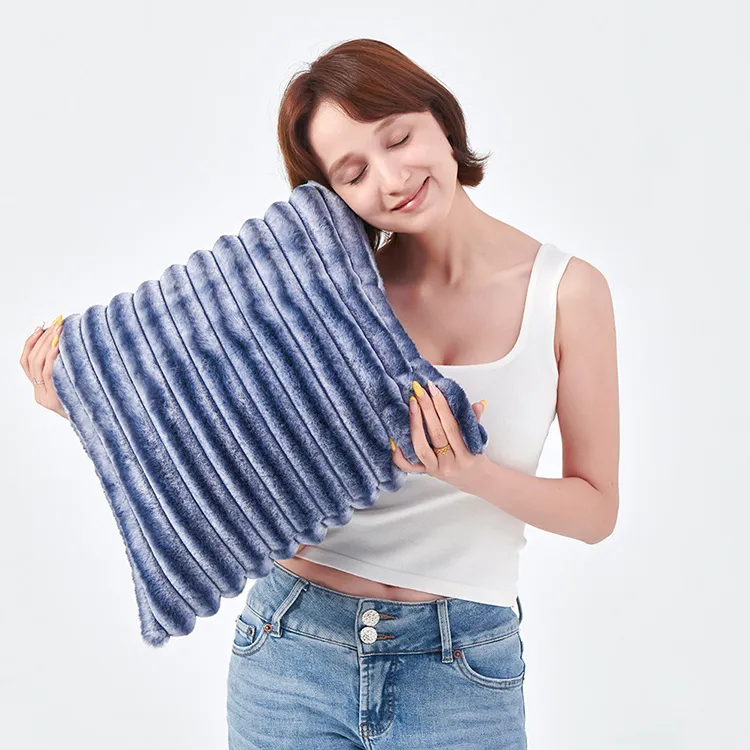
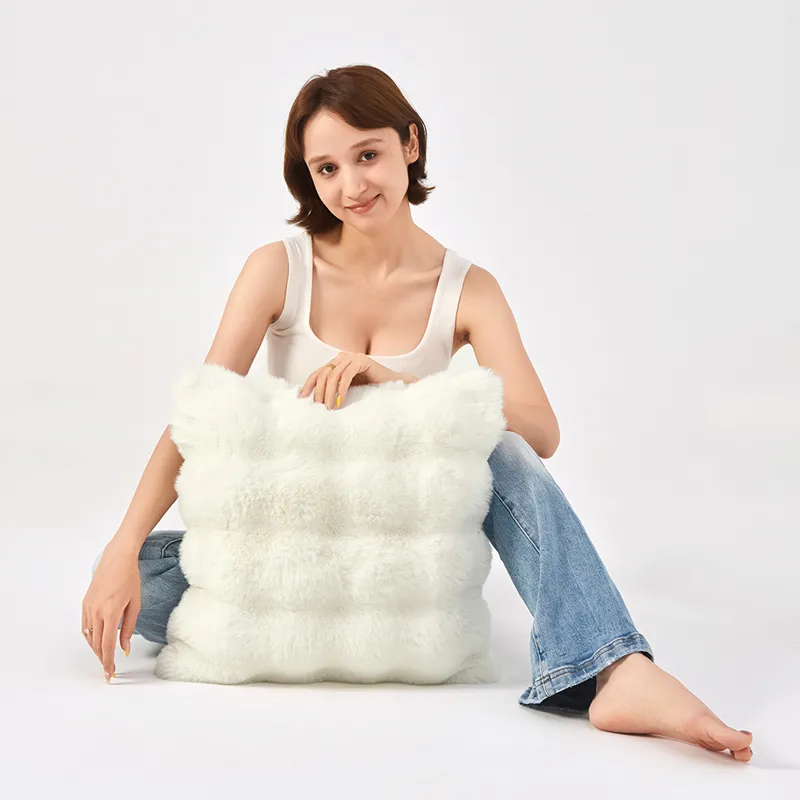
Weighted pillows are useful because they can be hugged, placed on the lap, rested against the torso, or used as a comfort object. They provide localized deep pressure and emotional comfort without the commitment of a full blanket. This makes them relevant for users who want calming input but dislike sleeping under heavy bedding.
For product development, the challenge is balancing weight, softness, and shape retention. A weighted pillow should not feel like a hard bag of beads. It needs a soft outer fabric, an inner structure that keeps fill stable, and a size that works for hugging. Faux fur, sherpa, velvet, and soft knit covers can create a more giftable product for retail and lifestyle channels.
Knee pads and leg pressure tools
Weighted knee pads or leg pillows can serve users who want grounding pressure around the legs without loading the spine or chest. They may be used during rest, meditation, or seated routines. They are also easier to remove than a full blanket, which matters for older users or anyone with limited strength.
This category needs careful language. Brands should describe comfort, relaxation, and sensory support rather than medical treatment. Product pages can explain that targeted pressure may be preferable for users who find full body blankets too warm or restrictive.
Breathable knitted weighted blankets
Some customers reject traditional bead filled weighted blankets because they feel too hot or stiff. A knitted weighted blanket can solve part of that problem. The open structure improves airflow, and the weight is created by heavy yarn rather than loose beads. This can create a more flexible drape and a premium home decor appearance.
Knitted designs also reduce concerns about bead leakage and fill migration. However, they require strong quality control in yarn selection, knitting density, shrinkage, colorfastness, and edge stability. For a Customizable product line, knitted weighted blankets can be developed in seasonal colors and modern textures for retailers that want both function and design value.
How alternatives compare for deep pressure support
| Product type | Pressure coverage | Best use case | Buyer advantage |
|---|---|---|---|
| Weighted blanket | Full body | Night relaxation and sleep routine | Strong core SKU and high search demand |
| Weighted lap pad | Thighs and lap | Desk work, classroom, travel, waiting areas | Compact, easy to ship, broad use cases |
| Weighted shoulder wrap | Shoulders and upper body | Short relaxation sessions | Good wellness accessory |
| Weighted pillow | Localized hugging pressure | Comfort, travel, pre sleep routine | Giftable and highly Customizable |
| Knitted weighted blanket | Full body with airflow | Hot sleepers and design conscious buyers | Premium appearance and fewer fill migration concerns |
How to introduce weighted sensory tools into daily life
Pressure sensitive users should not start with the strongest product for an entire night. A gradual routine is more practical. They can begin with a lap pad for 10 to 20 minutes, use a weighted pillow while reading, or place a lighter throw over the legs before bed. The purpose is to learn whether pressure feels calming, neutral, or irritating.
Brands can turn this into educational content. A product page might suggest short daytime use before overnight use. It can also advise users to stop if they feel pain, numbness, breathing discomfort, overheating, or anxiety. This improves customer experience and reduces unrealistic expectations.
Product line strategy for B2B buyers
A strong weighted product program can include one core weighted blanket, one knitted premium version, one lap pad, one shoulder wrap, and one weighted pillow. That structure serves different price points and user sensitivities while staying connected under the same deep pressure concept. It also gives retailers more ways to merchandise a collection.
YIXI supports Wholesale and OEM/ODM development across blankets, pillows, bedding, and related home textile products. For buyers building a sensory comfort collection, the advantage is being able to coordinate materials, colors, branding, packaging, and quality standards across multiple SKUs instead of sourcing each item separately.
Packaging and instruction ideas for alternative weighted products
Alternative products need especially clear instructions because customers may not know how to use them. A lap pad should explain seated use, suggested session length, and safe removal. A shoulder wrap should show correct placement away from the throat. A weighted pillow should explain that it is for hugging, lap use, or relaxation support, not for placing over the face or restricting breathing. These details protect the customer and make the product feel professionally developed.
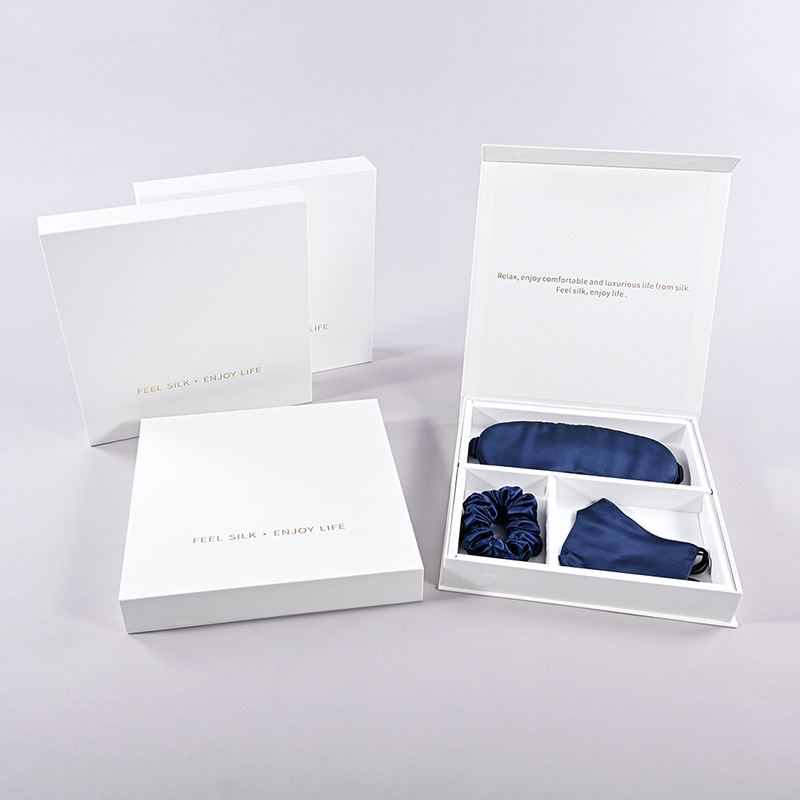
Packaging can also help retailers sell the category. Use simple comparison language such as full body pressure, targeted shoulder pressure, seated lap pressure, or breathable knitted pressure. This gives store staff and online shoppers a fast way to understand the difference. For Customizable projects, brands can use matching hangtags, care labels, and color stories so the collection feels unified even when each item serves a different use case.
How to choose the right alternative for each channel
Different channels need different products. A therapy adjacent distributor may prefer lap pads and shoulder wraps because they fit supervised routines. A lifestyle retailer may prefer weighted pillows and knitted blankets because they look giftable. A travel brand may want compact lap pads with washable covers. A hotel or spa buyer may prefer lighter throws that feel premium but do not create strong restriction for guests.
This is why an experienced Manufacturer should ask about the target channel before quoting. Weight, material, packaging, and compliance language should match where and how the product will be sold. A single generic weighted product rarely works equally well for every market.
FAQ
What is the best alternative if a weighted blanket causes back pain?
A lighter blanket, weighted lap pad, or weighted pillow may be a better starting point because they reduce full body restriction.
Are weighted pillows safer than weighted blankets?
They are not automatically safer, but they cover a smaller area and are easier to move away from the body. Users still need suitable weight and clear guidance.
Can weighted shoulder wraps be used for sleep?
Most shoulder wraps are better for short seated relaxation, not overnight sleep, unless specifically designed and instructed for that use.
Why are knitted weighted blankets popular?
They combine visible texture, airflow, flexible drape, and bead free construction, making them appealing for premium retail and home decor channels.
What should buyers ask before ordering weighted alternatives?
Buyers should ask about weight tolerance, fabric options, washability, filling stability, safety guidance, packaging customization, and sample testing.
 English
  Spanish
  Portuguese
  Russian
  German
  French
  Vietnamese
  Arabic
  Korean
  Italian
  Persian
  Thai
Thai  Turkish
  Dutch
Dutch  Polish
  Indonesian